
Renovating, clearing a site, or stripping out a building? Not everything you dig up or pull out can go in a skip. Some materials are classed as hazardous or restricted, and putting them in with your general waste can get the whole lot rejected – or worse, put someone at risk.
So, what can’t go in your skip? This guide covers everything you need to know, including what to do with the items that can’t, and how to avoid the extra cost and delay of a rejected load.
Jump to:
- What counts as hazardous or restricted waste?
- What can’t go in a skip?
- Why can’t hazardous waste go in a general skip?
- How do I dispose of hazardous waste properly?
- What happens if hazardous waste ends up in my skip by mistake?
- Do I need a permit or licence for hazardous materials disposal?
What counts as hazardous or restricted waste?
Hazardous waste is any material that’s harmful to people or the environment, while restricted waste needs separate handling for practical reasons even though it isn’t necessarily dangerous. Knowing the difference matters when you’re filling a skip, because it changes what you’re allowed to do with each item.
Hazardous waste
Hazardous waste is toxic, flammable, corrosive, or infectious. Common examples include:
- Asbestos and asbestos-containing materials
- Chemicals, solvents, and pesticides
- Batteries
- Oils (except edible oils)
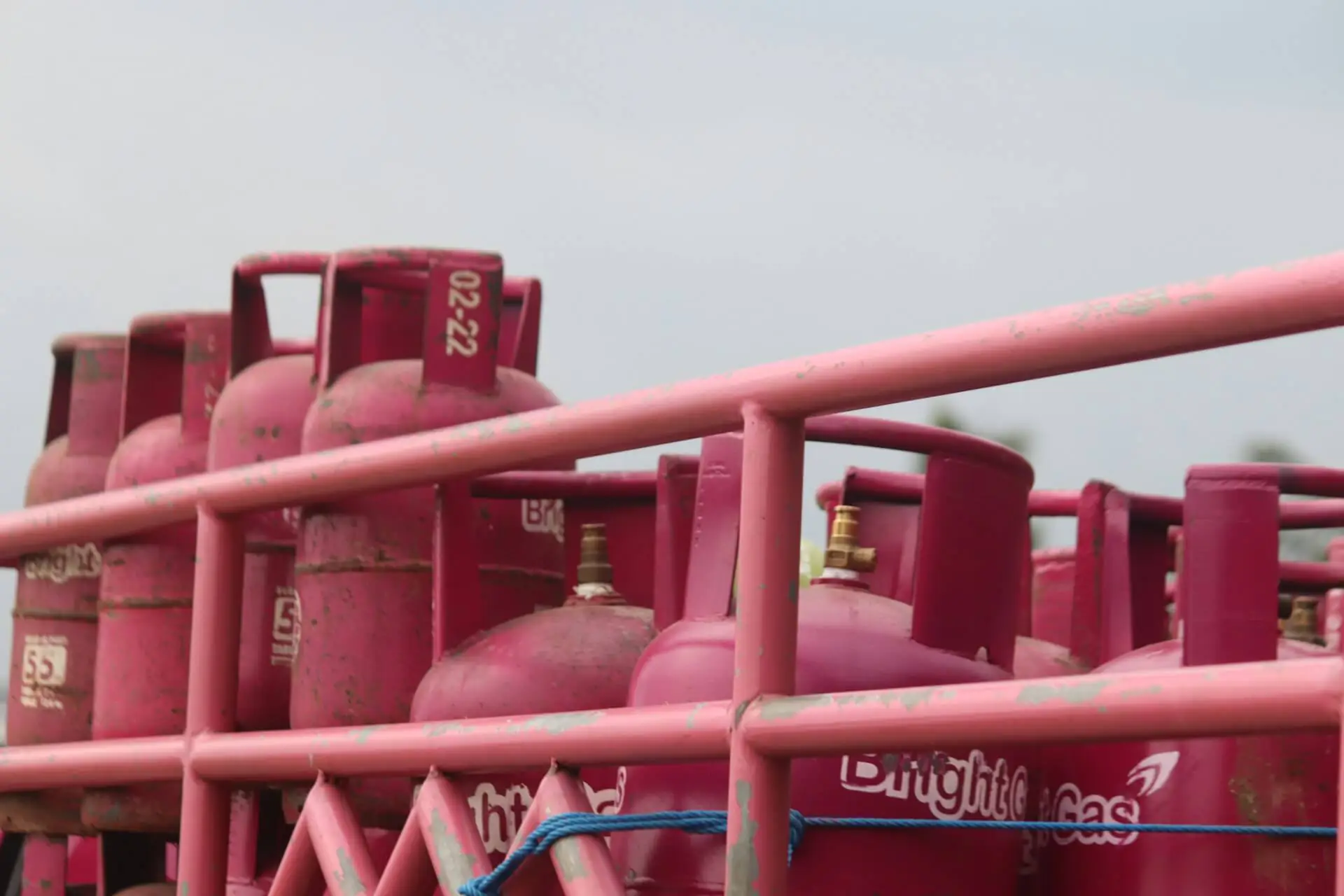
- Gas cylinders and pressurised containers
- Equipment containing ozone-depleting substances, such as fridges
Restricted waste
Restricted waste isn’t dangerous to handle, but it still can’t go in with general skip hire waste. Common examples include:
- Plasterboard
- Tyres
- Electrical items and WEEE (waste electrical and electronic equipment)
- Large volumes of soil, rubble, or other inert waste beyond a skip’s intended use
What can’t go in a skip?
Hazardous materials such as asbestos, gas cylinders, chemicals, and batteries can never go in a general skip, and restricted items like plasterboard, tyres, and electricals need separate disposal, even though they’re not dangerous.
Here’s a quick-reference guide to the materials people ask about most.
Hazardous materials: Never go in a general skip
| Material | How to safely remove |
|---|---|
| Asbestos | Specialist hazardous waste removal – we handle this in-house, from identification through to licensed disposal. |
| Asbestos cement (e.g. roofing sheets, cement sheeting) | Can be disposed of via a dedicated enclosed asbestos cement skip – a mandatory consignment note fee applies. |
| Gas cylinders (propane, butane, etc.) | Return to supplier or arrange specialist collection. |
| Paint, solvents, and chemicals | Take small household quantities to a household waste recycling centre. Trade quantities need a licensed hazardous waste carrier. |
| Batteries | Recycle via a battery or WEEE-compliant collection point. |
| Fridges, freezers, and other WEEE items | Specialist WEEE recycling collection. |
| Medical or sharps waste | Specialist clinical waste disposal only. |
| Liquids of any kind | Must be disposed of separately – never poured into a skip. |
Restricted materials: Need separate arrangements
| Material | How to safely remove |
|---|---|
| Plasterboard | Usually in its own skip or a segregated load. Mention when you book, and the team will advise on the best option. |
| Tyres | Return to a tyre fitter or arrange specialist collection. |
| Electrical items and cabling | Specialist WEEE recycling collection. |
Still not sure whether something on your list is fine for the skip? Call us on 01204 696446, and we’ll talk it through before you book.
Why can’t hazardous waste go in a general skip?
Hazardous waste can’t go in a general skip because it puts people, the environment, and the rest of your waste load at risk.
Three things happen when hazardous material ends up in general waste:
- Contamination: Hazardous items can contaminate the whole load, meaning the entire skip may be rejected at the tip.
- Safety risk on-site: Loose batteries, gas cylinders, or chemical containers among general rubble are a genuine hazard to anyone loading, moving, or emptying the skip.
- A breach of duty of care: If you’re a business or tradesperson, you have a legal responsibility for your waste until it’s been disposed of properly.
How do I dispose of hazardous waste properly?
To dispose of hazardous waste properly, identify it, keep it separate, and arrange collection through a licensed specialist rather than putting it in with everything else. In practice, that means:
- Identify and separate it early: Sort hazardous and restricted items out as you go, rather than trying to pick them out of a full skip later.
- Store it safely until collection: Keep containers sealed, labelled, and away from drains, heat sources, and general foot traffic.
- Use a licensed carrier: Hazardous waste removal must be done by registered waste carriers like J Dickinson & Sons. Always check for an official, up-to-date registration before booking removal.
- Keep the paperwork: You should receive documentation confirming the waste was collected and disposed of correctly.
What happens if hazardous waste ends up in my skip by mistake?
If hazardous waste ends up in your skip by mistake, it still needs to be identified and removed before the skip can be processed as normal.
If hazardous or restricted materials are found at collection or at the tip, the load can be refused, or extra charges for specialist removal may apply.
Either way, mixing prohibited items in with general waste typically means:
- Delays to collection
- Additional handling or disposal costs
- In some cases, redelivery of the skip
The best way to avoid this is to check before you book your skip. If you’re not sure whether something counts as hazardous or restricted, ask us before it goes in the skip, not after.
Do I need a permit or licence for hazardous materials disposal?
No, you don’t need a permit or licence to dispose of their own hazardous waste – whether or not it’s coming from your home or business. The only difference is that businesses and tradespeople must use a registered waste carrier and complete the right paperwork when hazardous waste leaves their premises.
If you’re taking items like old paint or batteries to a household waste recycling centre yourself, you don’t need any licence. If someone collects the waste for you, you still have a legal duty to check they’re a registered waste carrier.
For businesses, hazardous waste must be accompanied by a consignment note whenever it’s moved from your premises. If you transport waste yourself as part of your work, you’ll usually need to register as a waste carrier too. Permits generally only apply if you’re storing, treating or disposing of waste on your own site.
Asbestos is the main exception worth knowing about. Many councils limit how much you can bring in or require it to be booked and bagged in advance, and DIY removal isn’t recommended even where it’s allowed.
If you’re unsure either way, the safest approach is to check with the Environment Agency or your local council beforehand.
Choose J Dickinson & Sons for skip hire today
J Dickinson & Sons is a family-run business that has handled Greater Manchester’s waste removal needs since 1939, so we know how to manage the trickier parts of a skip hire project.
If you’re unsure whether plasterboard, asbestos, or other hazardous materials can go in your skip, our team will talk it through before you book, so nothing catches you out on collection day.
You’ll get clear, upfront pricing with no hidden charges and next-day delivery where possible across Bolton and Greater Manchester. Get a free, no-obligation quote today or call our team on 01204 696446 to find the right skip size and price for your project.
What can’t go in a skip? Frequently asked questions
Here are the questions we’re asked most often about what can and can’t go in a skip.
Can plasterboard go in a skip?
Plasterboard cannot go in a general waste skip, but it can be collected in a dedicated plasterboard skip. These are available across the full skip size range and include a set tonnage allowance before a per-tonne rate applies for any excess.
Can I put an old fridge or freezer in a skip?
No, fridges and freezers cannot go in a general waste skip. They’re classified as WEEE (waste electrical and electronic equipment) and must go for specialist recycling rather than landfill, in line with UK waste regulations.
What do I do with old paint tins?
Small amounts of old paint can usually be taken to a household waste recycling centre. Larger quantities from a trade job need to be removed by a licensed hazardous waste carrier, as most local centres won’t accept trade volumes.
Do I need a waste carrier licence to dispose of my own waste?
Homeowners clearing their own house and using their own vehicle generally don’t need a waste carrier licence. Tradespeople removing waste as part of paid work do need one, since handling waste commercially without valid registration is against the law.
What’s the difference between hazardous and restricted waste?
Hazardous waste is dangerous to people or the environment and includes items such as asbestos, chemicals, and batteries. Restricted waste isn’t necessarily dangerous but still requires separate handling – plasterboard is the most common example of this category.
Share this