
Plastic recycling should be simple. Put the right stuff in the right bin and move on. But in reality, it’s one of the most misunderstood parts of waste management. Some plastics are easy to recycle, others aren’t accepted at all, and a few sit awkwardly in between. Get it wrong, and well-intentioned recycling can do more harm than good. This guide breaks it down clearly – what plastic recycling is, why it’s complicated, and which plastics you can and can’t recycle in the UK.
Jump to:
- What is plastic recycling?
- Why is recycling plastic so complicated?
- The 7 types of plastic and how they can be recycled
- What plastics can be recycled in the UK?
- What plastics can’t be recycled in the UK, and why?
- Contamination: The biggest barrier to recycling plastic
- What is pre-recycling, and why does it matter?
- Recycling plastic in the workplace
- Best practices for recycling plastics at home
What is plastic recycling?
Plastic recycling is the process of collecting, sorting, cleaning, and reprocessing plastic waste so it can be turned into new products. Instead of being sent to landfill or incineration, recyclable plastics are given another life.
At its best, recycling plastic supports a circular economy. That means plastic stays in use for as long as possible, rather than being made once and thrown away. It reduces the need for virgin plastic, cuts carbon emissions, and helps conserve natural resources.
But not all plastic recycling is the same. Some plastics are widely recycled. Others are technically recyclable but not processed at scale. And some plastics can’t be recycled at all with current infrastructure.
Why is recycling plastic so complicated?
Recycling plastic sounds simple. Put plastic in a recycling bin and let the system do the rest. In reality, it’s far more complex.
Different plastic types, different rules
There isn’t just one type of plastic. There are many. Each behaves differently when processed and recycled. Some melt easily and can be reused again and again. Others degrade quickly or contain additives that make recycling difficult.
This is why there’s no “one-size-fits-all” approach to plastic recycling. When different plastic types are mixed incorrectly, they contaminate each other. That contamination lowers the quality of recycled material and can make it unusable.
Infrastructure limitations
Another challenge is scale. Some plastics can be recycled in theory but not in practice. Recycling facilities across the UK are designed to handle certain materials, not all of them.
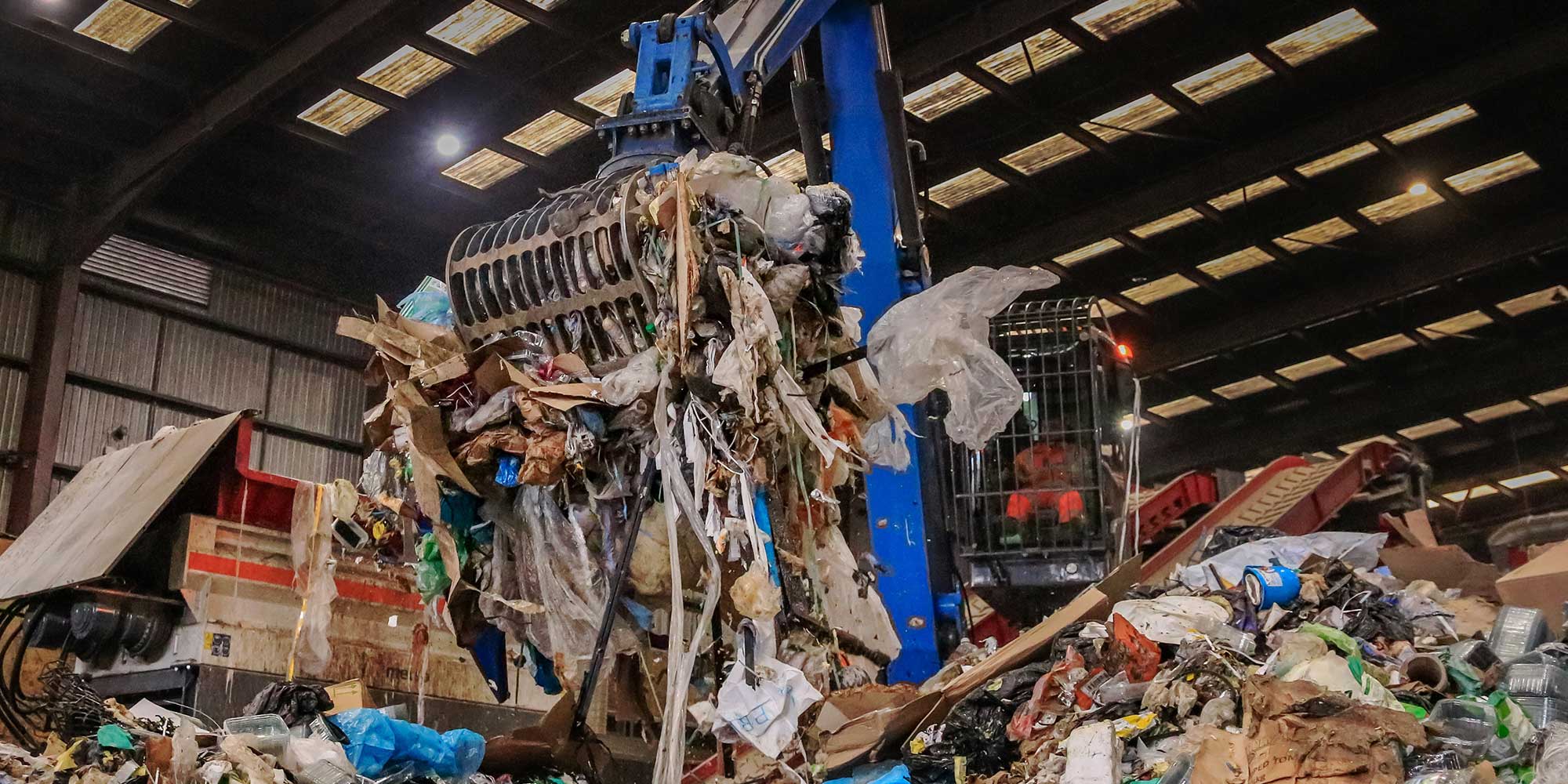
Plastic film is a good example. Lightweight, flexible plastics are hard to sort, easy to contaminate, and difficult to recycle efficiently. Until infrastructure improves, these materials remain a major problem in plastic waste streams.
The 7 types of plastic and how they can be recycled
Most plastic packaging includes a recycling symbol with a number from 1 to 7. These numbers identify the type of plastic used. Knowing what they mean makes recycling plastic far more effective.
1. PET (Polyethylene Terephthalate)
PET is one of the most common and widely recycled plastics. You’ll find it in drink bottles, food packaging, and clear containers.
It’s lightweight, strong, and easy to recycle. When handled correctly, PET can be turned back into bottles, packaging, or fibres for clothing. It’s one of the better success stories in plastic recycling.
2. HDPE (High-Density Polyethylene)
HDPE is used for milk bottles, detergent containers, and cleaning product bottles. It’s durable and holds its quality well during recycling.
HDPE recycling plays an important role in the circular economy. When collected and sorted properly, it can be recycled into new containers and other long-lasting products. Food-grade HDPE is particularly valuable, which makes correct recycling even more important.
3. PVC (Polyvinyl Chloride)
PVC is commonly used in pipes, window frames, and some packaging. It’s strong and long-lasting but difficult to recycle.
This plastic often contains additives that complicate the recycling process. As a result, PVC recycling is limited, and it’s rarely accepted in household recycling collections.
4. LDPE (Low-Density Polyethylene)
LDPE includes plastic film, carrier bags, bread bags, and wrapping. It’s flexible and lightweight, which makes it useful. Unfortunately, those same qualities make it hard to recycle.
Plastic film tangles in sorting machinery and contaminates other recyclable plastics. While some supermarkets offer take-back schemes, LDPE generally shouldn’t go in kerbside recycling bins.
5. PP (Polypropylene)
Polypropylene is found in yoghurt pots, margarine tubs, ready-meal trays, and bottle caps. It’s increasingly accepted in recycling collections.
While PP can be recycled, it usually can’t return to food-grade use. This process is often referred to as downcycling, where the recycled plastic is used for lower-grade products and replaced with virgin material for food packaging.
6. PS (Polystyrene)
Polystyrene is used in disposable cups, food trays, and protective packaging. It’s lightweight and brittle, which makes it difficult to collect and recycle efficiently.
Most local authorities don’t accept polystyrene for recycling. It breaks easily, contaminates other materials, and has limited end markets.
7. Other plastics (Category 7)
This category covers mixed and composite plastics, including multi-layer packaging and items made from several materials.
Because these plastics can’t be easily separated, they’re rarely recyclable. Category 7 plastics are one of the biggest challenges in plastic recycling today.
What plastics can be recycled in the UK?
In the UK, the most commonly recycled plastics include PET bottles, HDPE containers, and, increasingly, polypropylene items like pots and tubs.
However, recycling rules vary by local authority. What’s accepted in one area may not be accepted in another. That’s why checking local recycling guidance is essential.
Placing the wrong plastics in recycling bins may feel harmless, but it leads to contamination. And contamination reduces how much plastic can actually be recycled.
What plastics can’t be recycled in the UK, and why?
Not all plastics can be recycled. Even if they look similar to recyclable plastics, some materials cause more harm than good when placed in recycling bins.
Plastic film is one of the biggest issues. This includes cling film, crisp packets, bread bags, and flexible wrapping. These materials are lightweight and easily contaminated. They tangle in sorting equipment and often end up stopping recycling lines altogether.
Multi-layer and composite plastics are another problem. These are made from several materials bonded together, such as plastic combined with foil or paper. Because they can’t be separated efficiently, they’re usually not recyclable.
Heavily contaminated plastics also fall into this category. Food residue, oils, and liquids make plastic waste unsuitable for recycling. Even plastics that are normally recyclable can be rejected if contamination is too high.
Putting non-recyclable plastics into recycling bins is often called wishcycling. While well intentioned, it leads to more plastic waste being sent to landfill or incineration.
Contamination: The biggest barrier to recycling plastic
If there’s one thing that undermines plastic recycling more than anything else, it’s contamination.
What is recycling contamination?
Contamination happens when non-recyclable materials or dirty items are mixed with recyclable plastics. Common causes include leftover food, liquids, grease, and the wrong types of plastic.
A single leaking container can spread residue across an entire batch. Once that happens, the whole load may be unsuitable for recycling.
How contamination impacts recycling systems
Contaminated plastic wastes resources. It increases processing costs, raises carbon emissions, and reduces the amount of recyclable plastic that can be recovered.
It also creates safety risks for workers handling and sorting recycling. Sharp objects, broken containers, and spoilt food can cause injuries and hygiene issues.
Most contamination happens before waste is collected. Which means prevention starts at home and in the workplace.
What is pre-recycling, and why does it matter?
Pre-cycling is a simple idea with a big impact. It means preparing plastic waste properly before it goes in the recycling bin.
That includes emptying containers, rinsing away residue, and placing plastics in the correct bin. It doesn’t need to be spotless. Just clean enough to prevent contamination.
When people and businesses pre-cycle consistently, recycling plastic becomes far more effective. Less energy and water are needed during processing. More materials can be recycled at higher quality.
Pre-cycling also helps protect valuable food-grade plastics. Once contaminated, these materials can’t be reused for food packaging, which increases demand for virgin plastic.
Recycling plastic in the workplace
Workplaces generate a lot of plastic waste. From food packaging and drink bottles to delivery materials and office supplies.
Clear labelling is essential. When bins are easy to understand, people are more likely to recycle plastic correctly. Ambiguous signage leads to confusion and contamination.
Education matters too. Staff don’t need technical detail. They need simple guidance on what plastics can be recycled and which should go in general waste.
Reducing contamination at the source saves time, money, and resources. It also supports wider sustainability goals and helps businesses manage plastic waste more responsibly.
Best practices for recycling plastics at home
Household recycling plays a huge role in plastic recycling outcomes.
Start by checking packaging labels and recycling symbols. Then follow your local authority’s guidance. It’s the most reliable way to know what plastics can be recycled in your area.
Empty containers before recycling them. A quick rinse is usually enough. Avoid placing plastic film, heavily soiled items, or mixed materials in recycling bins.
If in doubt, it’s better to put an item in general waste than risk contaminating recyclable plastics. It might feel counterproductive, but it helps protect the recycling process as a whole.
Recycling plastics FAQs
What plastics can be recycled?
Plastics like PET bottles, HDPE containers, and many polypropylene items are commonly recycled in the UK. Always check local recycling guidance, as accepted materials vary by area.
Why can’t all plastics be recycled?
Different plastic types behave differently when processed. Some can’t be recycled at scale due to contamination risks, material complexity, or limited infrastructure.
Can plastic film be recycled?
Plastic film is difficult to recycle and usually not accepted in kerbside collections. Some supermarkets offer dedicated take-back schemes.
Do I need to wash plastic before recycling?
Yes, plastics should be empty and lightly rinsed. This helps prevent contamination and improves recycling quality.
What happens if the wrong plastic goes in recycling?
It can contaminate other materials, causing entire batches of recyclable plastic to be rejected and sent to waste.
Manage your recycling with J Dickinson & Sons
Recycling plastic works best when taking a few simple steps before waste ever reaches the bin. When households and businesses make informed choices, more plastic can be recycled, resources are protected, and unnecessary waste is reduced.
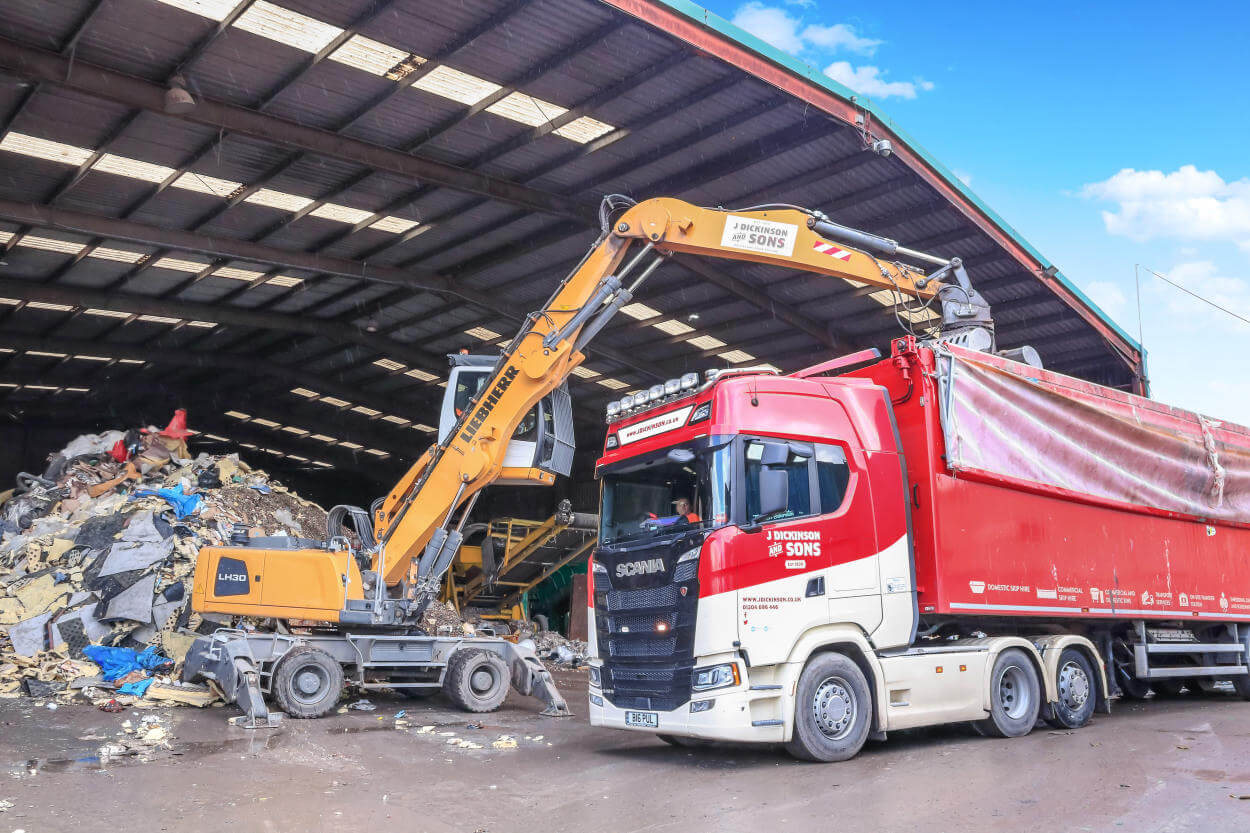
At J Dickinsons, we help businesses take control of their recycling and waste management with solutions that actually work in the real world. Our state-of-the-art recycling centre is designed to handle a wide range of materials efficiently, helping reduce contamination and improve recycling outcomes.
Each year, we divert over 1,000 tonnes of waste from landfill, supporting a more sustainable approach to recycling plastic and other materials. From clear guidance to reliable collections, we make it easier for businesses to recycle properly and reduce their environmental impact.
If you’re looking for a practical, no-nonsense way to manage your recycling, J Dickinsons is here to help. Give us a call today.
Share this