
Getting rid of old furniture isn’t always as simple as taking it to the tip. If it contains Persistent Organic Pollutants (POPs) – chemicals used in things like sofas, office chairs, and soft furnishings – you can’t just throw it away like regular rubbish. So, what exactly is POPs waste, and why does it need special handling?
Get in touch if your looking for skip hire Bolton or surrounding areas.
Jump to:
- What is POPs waste and why does it matter?
- Where is POPs waste found?
- How to identify and handle your POPs Waste
- How to dispose of POPs waste safely
- Why you shouldn’t ignore the risks of POPs waste
What is POPs waste and why does it matter?
‘Persistent Organic Pollutants’ is the term used for ‘chemicals that don’t break down easily and can be harmful to human health and the wider environment’. They’ve been used in everyday products like upholstered seating, soft furnishings, and electronic equipment, mainly because they help make things flame-retardant (i.e. fireproof). When these materials reach the end of their life, they can’t just be disposed of like other waste. If they aren’t handled properly, POPs can seep into the environment, affecting wildlife and even making their way back to us through food and water.
Where is POPs waste found?
POPs waste is found in a variety of places, including:
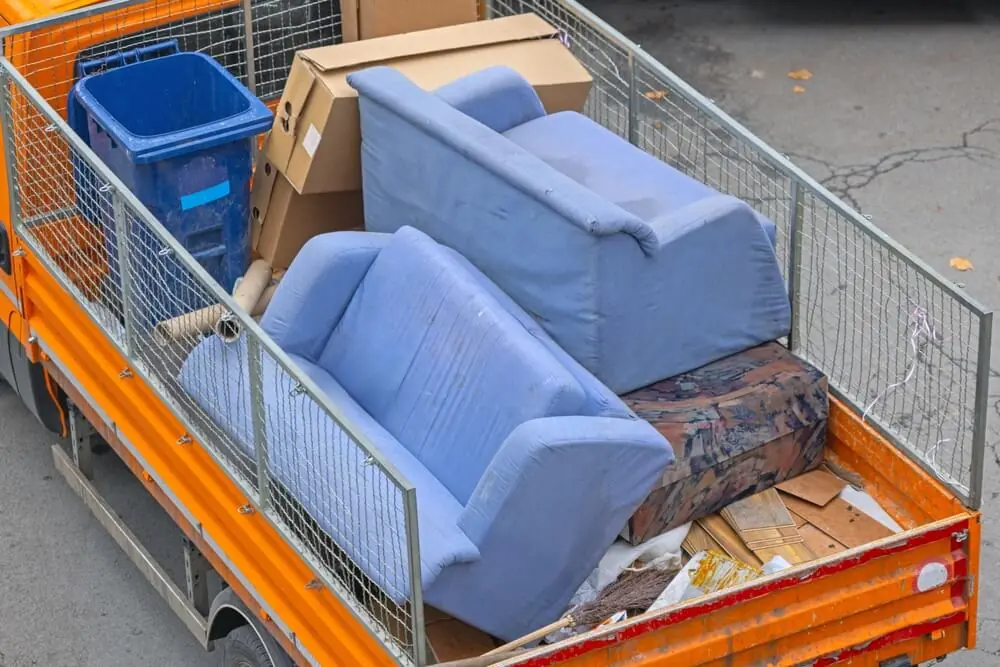
- Household furniture – Sofa beds, office chairs, dining room chairs, wooden chairs, bean bags, sofa cushions, and soft furnishings.
- Electronic equipment – Waste electronics, circuit boards, and office equipment.
- Industrial materials – Especially in older materials before regulations were introduced (e.g. insulation foam, old paint)
Did you know? Some POPs can remain in the environment for over 300 years if not properly disposed of.
How to identify and handle your POPs Waste
Not every old sofa or broken laptop counts as POPs waste, but if it’s upholstered seating or electronic waste, it’s safer to assume that it’s affected. Older items made before regulations changed are more likely to contain POPs, with furniture and electronics being the most common culprits. The level of POPs in an item (known as the concentration limit) tells you whether it needs special disposal, so if you’re unsure, check with a licensed waste carrier.
Call us on 01204 696446 or request a free online quote today. Our licensed waste management services will handle your POPs waste safely and legally.
How to dispose of POPs waste safely
If you need to get rid of POPs waste, start by storing it somewhere secure to prevent contamination. In some cases, you can separate certain parts and dispose of them differently, making waste management easier.
If you need to dispose of POPs waste, it must be handled correctly. For businesses, we offer licensed commercial waste disposal, safely and legally destroying your POPs waste. Got domestic POPs waste? Get in touch to see how we can help.
Why you shouldn’t ignore the risks of POPs waste
Discarding POPs waste the wrong way can seriously harm people and the environment. Exposure to it has been linked to major health risks, including hormone disruption and even cancer. If POPs waste ends up in landfill sites, the chemicals can leak into soil and water, causing long-term pollution.
Dispose of your POPs waste safely with J Dickinson & Sons
POPs waste requires specialist handling. At J Dickinson & Sons, we make sure it’s safely separated and sent for incineration at our licensed facility. This process permanently destroys harmful POPs, preventing them from entering the environment or food chain, where they could pose risks to both people and wildlife. Need compliant POPs waste disposal? Get in touch with our team today for expert guidance and collection.
Share this